 Canada
 U.S.A

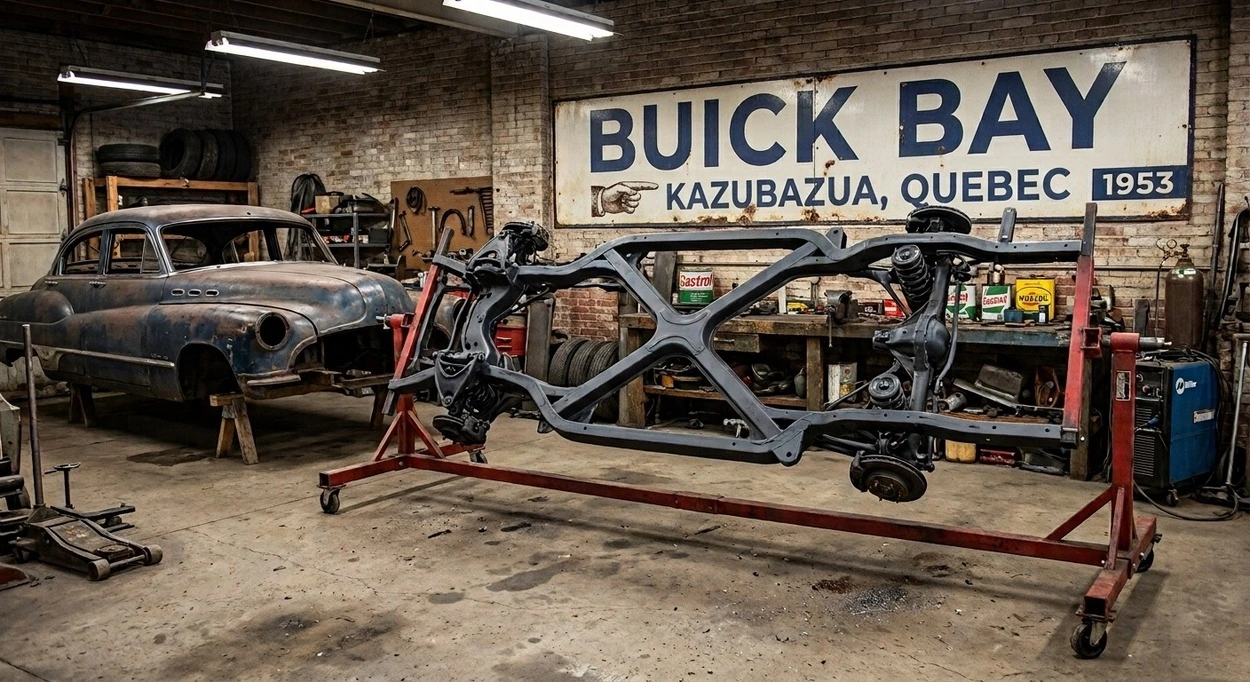

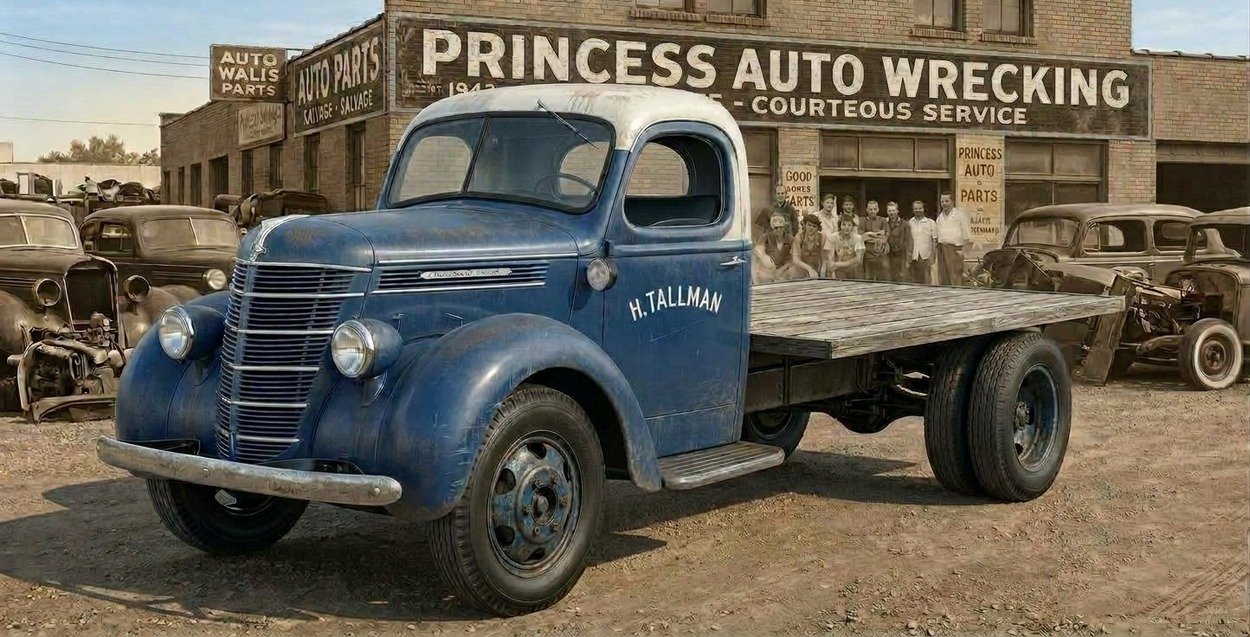
The Canadian classic car community thrives on passion, ingenuity, and hands-on craftsmanship. For enthusiasts restoring vintage vehicles, Princess Auto is a familiar Canadian retailer for tools, workshop equipment, and metal fabrication supplies. Founded in Winnipeg in 1933 as Princess Auto Wrecking, the company grew from an automotive wrecking business into a national retailer serving DIY enthusiasts, tradespeople, and mechanics. Although specialist vintage parts often come from dedicated suppliers, the right workshop equipment can make a significant difference when bringing an older vehicle back to life.
For classic car builders across Canada, setting up a capable home garage is an important part of the restoration process. Depending on the project and current product availability, Princess Auto can be a useful place to look for welding equipment, hand tools, lifting gear, and other workshop essentials. From routine maintenance to fabrication and component repairs, having suitable tools on hand helps enthusiasts work methodically and tackle projects with greater confidence.
Heavy Metal and Fabrication
Before a vintage muscle car or historic automobile is ready for a local car show, it may need rust repair, replacement metal panels, or structural work. These jobs require careful assessment, appropriate equipment, and sound repair techniques. For enthusiasts building their own workshop, welding tools, protective equipment, and metalworking supplies are among the items worth considering when shopping for restoration essentials.
Welding machines, auto-darkening helmets, clamps, grinders, and measuring tools can all be useful additions to a restoration workshop. Bodywork may also call for hammers, dollies, and other tools designed to shape sheet metal. For larger projects, suitable engine cranes and engine stands can help with removing and supporting heavy components. Each tool should be selected according to the vehicle, the work involved, and its rated capacity.
More detailed restoration work often involves electrical repairs, fastener replacement, and mechanical servicing. A well-organized selection of hand tools, including SAE and metric sockets and wrenches, can simplify many of these tasks. Electrical projects may require automotive-grade wire, terminals, connectors, fuses, relays, and crimping tools. Before purchasing supplies, enthusiasts should confirm that the products are appropriate for their vehicle's electrical system and the intended application.
Equipping a Home Restoration Garage
A successful restoration starts with a realistic assessment of the work ahead. Basic maintenance may require little more than a dependable socket set, screwdrivers, a torque wrench, and suitable lighting. Projects involving engine removal, fabrication, or extensive underbody repairs demand more specialized equipment, additional workspace, and careful safety planning.
It is also important to distinguish between general-purpose workshop equipment and tools designed specifically for automotive restoration. Princess Auto may be a useful source for general tools and equipment, while model-specific replacement panels, trim pieces, engine components, and other hard-to-find vintage parts may need to be sourced from specialist suppliers, automotive recyclers, or classic car clubs. Checking current stock, product specifications, and suitability before buying can help prevent costly mistakes.
Safety Comes First
Restoring a classic vehicle can involve heavy components, hot work, hazardous fumes, and potentially unstable structures. Always use lifting equipment on suitable surfaces and support vehicles with appropriately rated jack stands at the manufacturer's recommended lifting points. Never rely on a hydraulic jack alone to support a vehicle while working underneath it.
Welding and grinding require suitable eye and face protection, appropriate clothing, adequate ventilation, and precautions against fire. Structural repairs should be performed using methods appropriate to the vehicle's construction, with complex or safety-critical work left to qualified professionals when necessary. The right equipment matters, but knowing how to use it safely matters just as much.
Keeping Canadian Classic Cars on the Road
Classic car restoration combines patience, technical knowledge, and a willingness to learn. A well-equipped garage can make routine maintenance and many restoration tasks more manageable, whether the goal is to preserve a family heirloom, revive a long-neglected project car, or prepare a vintage vehicle for the next summer cruise.
With its roots in Winnipeg and its broad range of tools and equipment, Princess Auto is one retailer Canadian enthusiasts may consider when assembling a home workshop. For specialist vintage parts and vehicle-specific repair guidance, dedicated suppliers and marque clubs remain valuable resources. By choosing appropriate equipment, following safe working practices, and planning each stage carefully, restorers can give their classic cars the attention they need to remain part of Canada's automotive heritage.
Note: Product selection and availability can vary by location and over time. Check the retailer's current catalogue and product specifications before purchasing equipment for a specific restoration project.